Permission To Narrate

– Edward Said

The late Palestinian scholar, Edward Said, remarked that Palestinians had been denied permission to narrate their history and speak of the day-to-day experiences of life in the margins. Here, we reclaim that permission to narrate our own stories.

Daytime Film: “Route 181: Fragments of a Journey in Palestine-Israel” by Michel Khleifi and Eyal Sivan
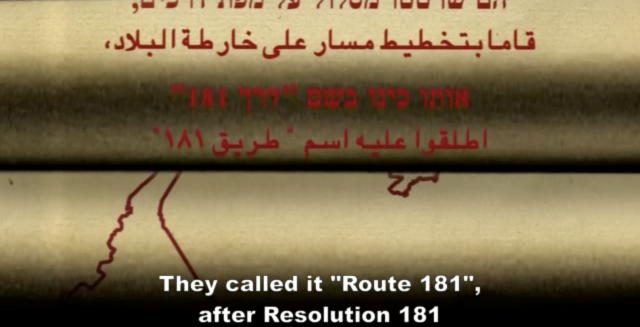
A three-part documentary, the film “Route 181” follows the borders drawn up by UN Resolution 181 which was adopted by the UN on 29 November 1947 to separate Palestine into two states – one Jewish and one Arab. 56 percent of the territory was attributed to the Jewish minority while 43 percent was given to the Arab majority, with a small central area given over to international supervision. Fifty-five years later, the journey of these two filmmakers along Route 181 traces a border which never actually existed.
Daytime Film: “Roadmap to Apartheid” by Ana Nogueira and Eron Davidson

94 mins, 2012, explores in detail the apartheid comparison as it is used in the enduring Israel-Palestine conflict. As much an historical document of the rise and fall of apartheid, the film shows us why many Palestinians feel they are living in an apartheid system today, and why an increasing number of people around the world agree with them.

Evening Films: “Restored Pictures” & “Kings and Extras”

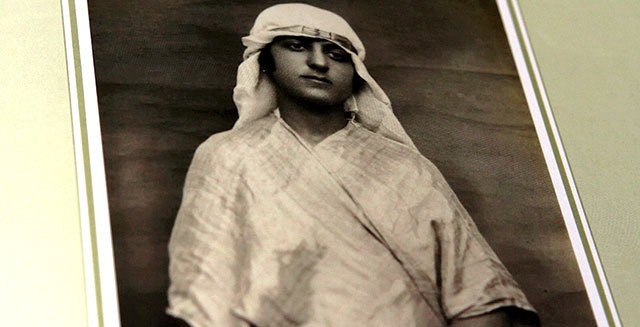
Short documentary “Restored Pictures,” 22 mins by Mahasen Nasser Eldin followed by “Kings and Extras,” 62 mins by Azza El-Hassan. Both films touch on the significant contributions Palestinians have made to their own documentation, respectively in the periods of pre-Nakba and post-Nakba.

Iyad Burnat and the Nonviolent Movement in Bil’in

Iyad Burnat tells the stories of Bil’in in the occupied West Bank and discusses strategies for nonviolent popular resistance with a goal of peace and prosperity for all people. His presentation is accompanied by photos and video clips, many of which are in the Oscar nominated film “5 Broken Cameras” by his brother Emad Burnat.

The Israeli Elections: Implications for U.S. Policy and Palestinians

Parliamentary elections in Israel are scheduled for 22 January and are expected to bring forward a pro-settlement government that is more right-wing than the current government. What implications does this have on U.S.-Israel relations? What will this mean for Israeli policy toward Palestinians and Palestinian territory? How will this new political reality effect diplomatic efforts for progress?