Permission To Narrate

– Edward Said

The late Palestinian scholar, Edward Said, remarked that Palestinians had been denied permission to narrate their history and speak of the day-to-day experiences of life in the margins. Here, we reclaim that permission to narrate our own stories.

The Tour Hagel Should’ve Taken To Better Understand The Mideast Conflict

Yousef Munayyer: This is how an article in yesterday’s Washington Post, entitled, Chuck Hagel visits Israel, gets geography lesson, began. Hagel, the newly appointed U.S. Secretary of Defense, was taken on a helicopter tour by his Israeli counterpart, Defense Minister Moshe Ya’alon. The helicopter of course, like so much Israeli military equipment, was U.S. made. But what kind of tour would Hagel really get from the Israeli military? I doubt they would take the time to point out the locations of all the Palestinian villages they depopulated—that would be a real geography lesson.
Back Stories: U.S. News Productions and Palestinian Politics

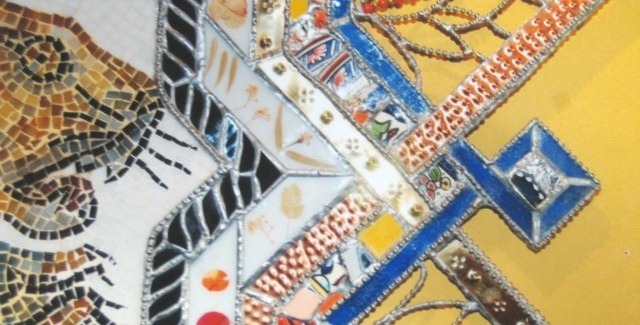
Studying how journalists work in Jerusalem, Bethlehem, Ramallah, and Nablus, and on the tense roads that connect these cities, Amahl Bishara demonstrates how the production of U.S. news about Palestinians depends on multifaceted collaborations, typically invisible to Western readers. She focuses on the work that Palestinian journalists do behind the scenes and below the bylines.

What Roger Cohen Gets Wrong

Yousef Munayyer: Liberal Zionism seems capable of nothing but hopelessness. Few things portray that as clearly and as succinctly as Roger Cohen’s most recent column for the New York Times, “Zero Dark Zero.” To give credit where credit is due, Cohen does accurately identify some important and relevant points. He argues that “Israelis for the most part are comfortable enough to ignore their neighbors.” He’s right. Israelis, as many analysts have come to conclude in reading the results of the most recent elections, have deprioritized the Palestinian issue.