“Jerusalem, We Are Here”

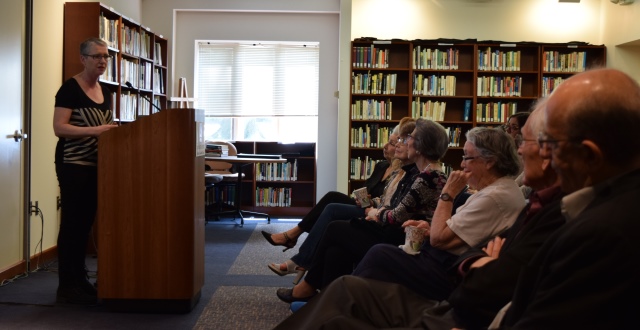
Presented by director and producer Dorit Naaman, Jerusalem, We Are Here is an interactive documentary that digitally brings Palestinians back into the Jerusalem neighborhoods from which they were expelled in 1948. Focusing primarily on the neighborhood of Katamon, Palestinian participants probed their families’ past and engaged with the painful present.

Multi-media exhibit documents Bay Area Palestinian community

The San Francisco Public Library will host “Home Away from Home: Little Palestine by the Bay” an exhibit by Palestinian photographer Najib Joe Hakim. “Home” combines photography and recorded oral histories to tackle the question, “What does it mean to be Palestinian in America?”

“Crossing the Line” – Middle Eastern Artists Explore Middle East-U.S. Border

WATCH- Reported by The Guardian, ‘Can I Jump’ is the first episode produced by 10 Middle Eastern artists exploring the ideological boundaries between the Middle East and the United States, or as they say, “the most contested border of our time.”

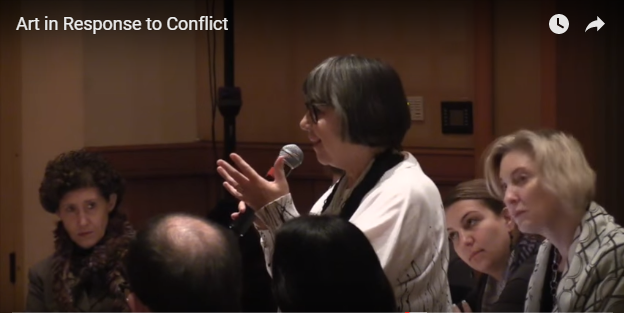
Hear Dagmar Painter’s question at the Middle East Institute’s “Art in Response to Conflict” seminar

In February 2016, The Middle East Institute co-hosted a panel discussion exploring the value and impact of the arts in conflict zones. The panel was organized with the Media Lounge at the College Art Association’s annual meeting in Washington, D.C.

Palestinian artist uses cacti to embody Palestinian suffering

Ahmed Mohamed Yassin, 21, a Palestinian university student uses a rather unusual tool to carve his paintings.Yassin uses cacti or prickly pears to embody Palestinian suffering and aspirations. To Yassin, cacti have symbolic meanings because they signify patience and resilience. “They are available at no cost and have the ability to absorb and preserve colours,” he explained.

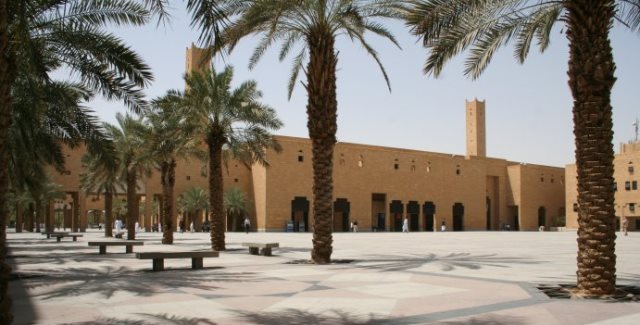
Palestinian poet and artist Ashraf Fayadh sentenced to death in Saudi Arabia

By Zeina Azzam

The Palestinian artist, curator, and poet Ashraf Fayadh, 35, has been sentenced to death by beheading. Saudi Arabian authorities have declared his crime as “apostasy,” or abandoning one’s religion—in this case, renouncing Islam. Several other charges were also leveled against Fayadh, including allegedly photographing women and storing their pictures on his phone, a violation of the country’s Anti-Cyber Crime Law.

September 2014

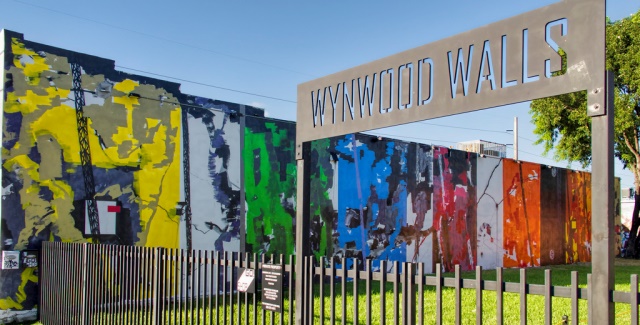
I have just returned from viewing Here and Elsewhere at the New Museum in NYC. The show reflects the concerns of 45 artists living in the Arab world or the diaspora, as well as addressing the dilemma of culturally defined art, and art as representation of an expected political or cultural stance.