The Situation in Gaza: An Interview with Brian Barber

Brian K. Barber, PhD, is a New America Fellow in Washington, DC, a Professor of Child and Family Studies, and Founding Director of the Center for the Study of Youth and Political Conflict at the University of Tennessee. His prime field of research has been Palestine, and he has based his work on long residencies and visits with families in and near refugee camps in the Gaza Strip since the early 2000s. Zeina Azzam, Executive Director of The Jerusalem Fund and Palestine Center, interviewed Brian Barber on February 5 2016, shortly after one of his research visits to Gaza. The information was updated in early April 2016. 

May 15, 2016: 68 Years Since Palestine’s Nakba

Nakba is the Arabic word for ‘catastrophe,’ signifying the immense dislocation that unfolded during 1947-49 after the United Nations’ decision to partition Palestine into two states—Jewish and Arab—and the subsequent expulsion of between 750,000 and one million Palestinians from historic Palestine by Zionist paramilitary forces (about a third of them were expelled before the war started with neighboring Arab states)

Interview with Dr. Yasser Abu Jamei

In the interview that follows, Abu Jamei talks about manifestations of trauma, methods of treatment, and how mental health professionals care for themselves and each other in an environment with little break from sustained conflict. Ultimately, his is a message of hope for the power of resilience, recovery, and perseverance in Gaza.

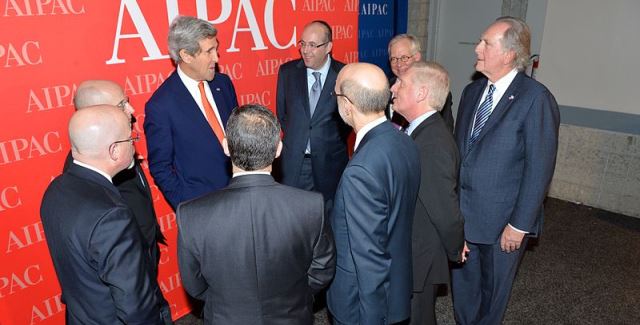
AIPAC’s Anti-BDS Campaign

When the American Israel Public Affairs Committee (AIPAC) comes to town this week for their annual policy conference, high on the agenda of issues they’ll be pushing Congress to support are bills designed to ‘fight the boycott of Israel.’ This campaign to combat efforts to ‘boycott, divest, or sanction’ Israel (BDS) has become a full-fledged national movement with AIPAC-supported initiatives moving forward not only in Congress but in two dozen state legislatures, as well. These bills, both federal and state, are all variations on a theme designed to punish, by blacklisting or sanctions, any governments, businesses, organizations, or individuals who boycott, divest funds, or impose sanctions on Israel or Israelis or products emanating from Israel or ‘Israeli controlled territories.’

The West Bank Village of Wadi Foquin: Trying to Survive

By Zeina Azzam

The bucolic Palestinian village of Wadi Foquin, nestled in a lush valley on the West Bank, is known for its fruits and vegetables, honey, olive trees, and natural springs. Situated near the green line with Israel, it lies five miles southwest of Bethlehem. Wadi Foquin is also a village fighting for its very existence.

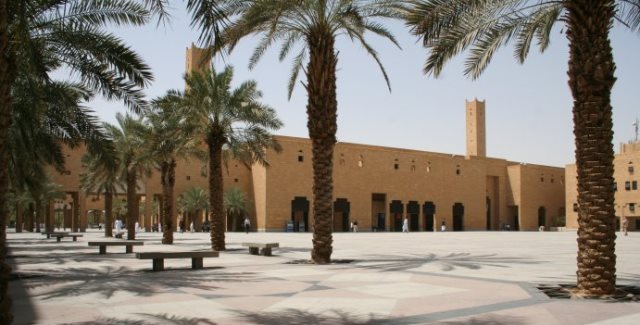
Palestinian poet and artist Ashraf Fayadh sentenced to death in Saudi Arabia

By Zeina Azzam

The Palestinian artist, curator, and poet Ashraf Fayadh, 35, has been sentenced to death by beheading. Saudi Arabian authorities have declared his crime as “apostasy,” or abandoning one’s religion—in this case, renouncing Islam. Several other charges were also leveled against Fayadh, including allegedly photographing women and storing their pictures on his phone, a violation of the country’s Anti-Cyber Crime Law.

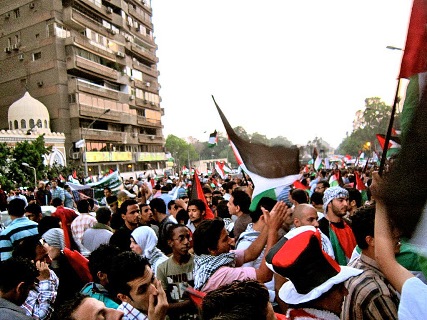
November 29: International Day of Solidarity with the Palestinian People

By Zeina Azzam

On November 29, 1947, after Great Britain–the mandatory power in Palestine–had asked the United Nations to meet in a special session to discuss the “problem of Palestine,” the General Assembly passed Resolution 181 (II) to end the British mandate by August 1, 1948. The centerpiece of this historic resolution, however, was to partition Palestine and call for the establishment, after a transition period, of “Independent Arab and Jewish States and the Special International Regime for the City of Jerusalem.”

Palestinians in occupied territories need protection

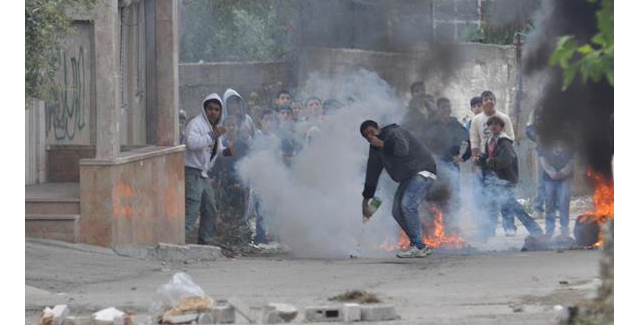
By Zeina Azzam

Palestinians in Jerusalem’s Old City say they have no one to safeguard their basic human rights. They are asking for an international force to protect them. On Oct. 24, the Jerusalemite Women’s Coalition, a group of women’s rights organizations and feminists, called for international protection, citing increased violence by Israeli settlers and the Israeli army.