
Israel Is Using Starvation as a Weapon to Break Gaza

Palestinian children waiting for hot meals distributed by humanitarian organizations as they face hunger on January 4, 2025, in the Gaza Strip. (Hassan Jedi / Anadolu via Getty Images) After over a month of deploying every means at their disposal to sabotage and collapse the ceasefire agreement with Palestinian resistance forces led by Hamas, Israel … Read more
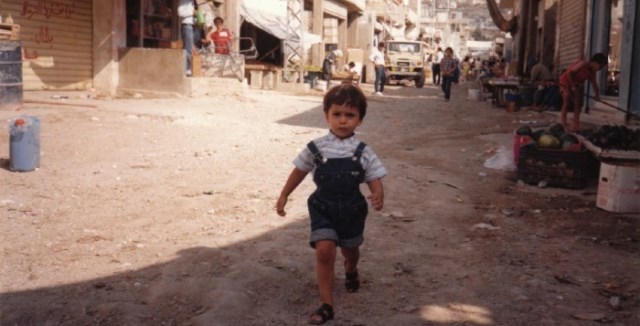
Sabra and Shatila Massacre: Four Decades of Unforgotten Tragedy

September 16, 1982, marked the start of a horrific 43-hour massacre, killing an estimated more than 3,000 Palestinian refugees in Sabra and Shatila Refugee Camps in Southern Lebanon. Sabra and Shatila were home to Palestinian refugees who had been displaced from their homeland, primarily from the village of Balad Al-Sheikh. Within Lebanon, there are 12 … Read more

Sabra and Shatila 33 Years Later – A Personal Account

On June 6, 1982, Israel invaded Lebanon and surrounded its capital, Beirut. One aim was to end the control of Beirut by the PLO. The city was under siege, blockaded, and repeatedly bombed, resulting in extensive casualties. On Aug. 21, the U.S. negotiated an agreement which would end Israel’s assault and allow for the safe evacuation of the PLO fighters. Western nations guaranteed that the refugees and civilian residents of the Palestinian camps would be protected by a multinational force (MNF) once the PLO left

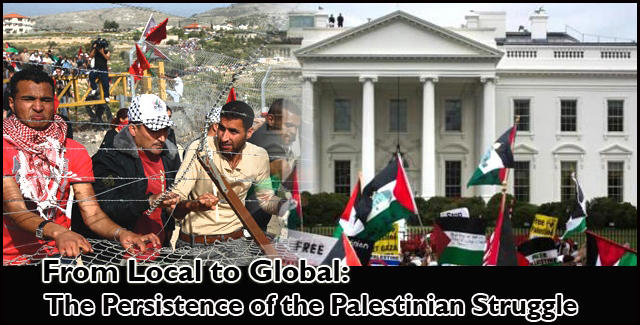
From Local to Global: The Persistence of the Palestinian Struggle

Panel I: “Palestinian Refugees: Waiting to Return”; Panel II: “BDS: Activism and Strategy for Change”; Panel III: “U.S Mediation in the Future of Palestine”; Panel IV: “Jerusalem: A Core Issue”

Evening Film: “A World Not Ours” by Mahdi Fleifel

Friday, September 26, 2014 6:30 – 8:00 p.m. EST The Jerusalem Fund Drawing on a family history of video-taping, Mahdi Fleifel offers an intimate glimpse into theAin el-Helweh refugee camp in Lebanon—a settlement of less than a square mile, home to over 70,000 people and in existence for more than 60 years. This is where Fleifel spent his formative years … Read more

Which Way Forward? U.S.-Middle East Relations After the Election

Panel I – Revolution: Where It Came From and Where It Is Heading, Panel II – Palestinian National Strategy: Evaluating and Re-Evaluating, Panel III – Covering the Uprisings: Perspectives, Biases and the role of the Media, Panel IV – U.S. Foreign Policy toward a Revolutionary Region: Opportunities and Responsibilities
