
Permission To Narrate

– Edward Said

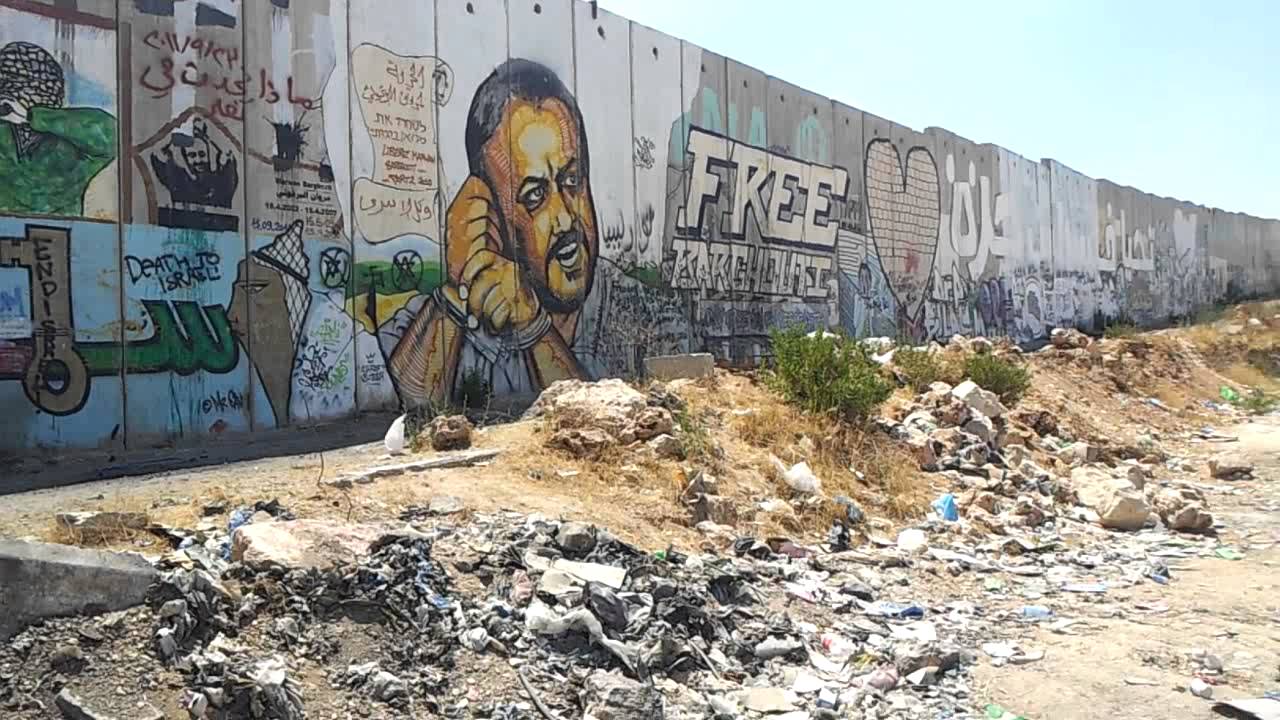
The late Palestinian scholar, Edward Said, remarked that Palestinians had been denied permission to narrate their history and speak of the day-to-day experiences of life in the margins. Here, we reclaim that permission to narrate our own stories.

Palestine and Us: Decolonizing America and Palestine
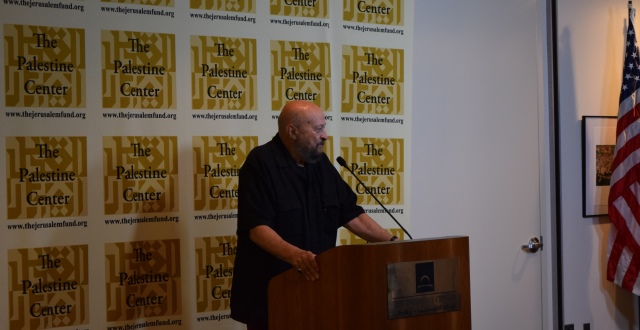
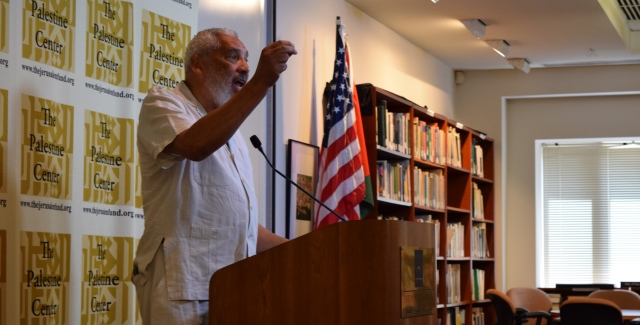
Piscataway elder, Rico Newman, discusses Indigenous Rights in the face of settlement in America and Palestine. This is the last installment in the 2018 Summer Intern Lecture Series “Palestine and Us: Contextualizing Palestine in American Political Activism,” which examines issues of intersectionality between the Palestinian cause and other contemporary social justice movements.

A Voice from Beit Ummar 

By Lena J I answered the phone every day that Ahmed Oudeh called until we had the honor of hosting him here at the Palestine Center. His voice was warm and heavy with pain, even for a simple “hello.” I hadn’t noticed at first, but Ahmed slurred his words. He spoke slowly, fluent in both … Read more

Freedom Under Occupation: Resistance and Repression in Settler States

By Jasper Saah

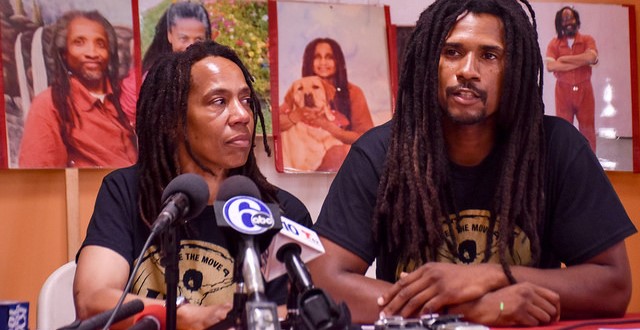
Forty years ago the headquarters of MOVE, a Philadelphian radical black liberation, environmentalist organization and commune, was raided by the Philadelphia Police Department. after months of harassment and tensions. MOVE is unique in the Black radical tradition: the ideology of founder John Africa infusing elements of anarchism, primitivism, and environmentalism into his theory of liberation. On August 8th, 1978, the Philadelphia Police Department raided the MOVE house after months of tension and harassment. The city and police were determined to crush MOVE, firing live rounds into the Powelton Village home and flooding it with fire hoses. PPD Officer James J. Ramp was killed in the raid by a bullet of still unknown origin, as the MOVE family was taking shelter in the basement of their home.

Sexual Harassment and Violence against Palestinian Women in Israeli Prisons

By Dylann N

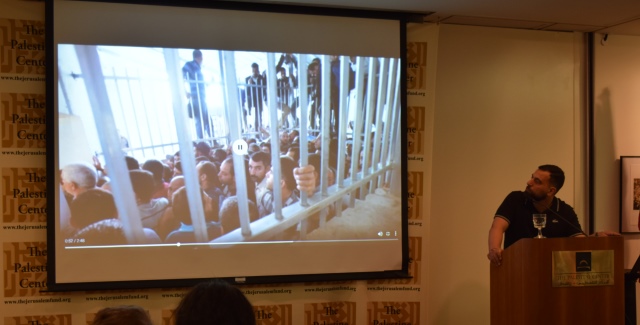
Sexual harassment and sexual violence have long been tactics used by Israeli soldiers against imprisoned Palestinians. While men and children are subjected to such treatments, women generally face the brunt of this systematic mistreatment. Khitam Saafin, the leader of the Union of Palestinian Women’s Committees, who spent three months in administrative detention without ever being charged, and who accused Israeli soldiers of taking photos of her on their cell phones and strip-searching her,

Palestine and Us: Grassroots Mobilization

Pastor and activist Rev. Graylan Hagler highlights the intersections between the Palestinian cause and other contemporary social movements. His work has focused on Black liberation, economic justice, community organizing, and mobilizing faith communities. You can follow him on Twitter @Graylanhagler.

Respectability Politics of Armed Resistance and the Fatah-Hamas Rivalry

By John Fleming

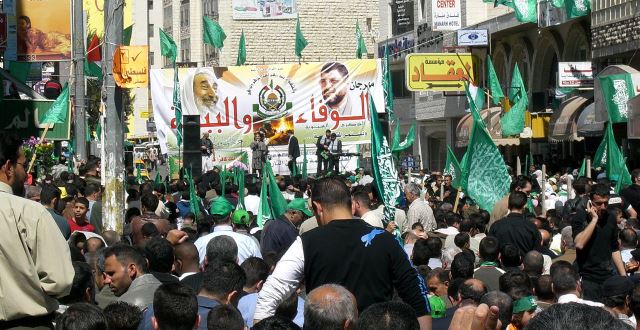
For decades, the contentious rivalry between Fatah and Hamas has caused confusion and compounded the problem of Palestinian unity in the face of continued Israeli occupation. Founded in the late 1950s, Fatah has been a more moderate voice among the Palestinians, accepting the recognition of Israel and imploring the use of nonviolence as a means to its goals.

Palestine and Us: Black and Palestinian Solidarity

Attorney and activist Ahmad Abuznaid, Esq. discusses his experiences working for social justice for Black Americans in the U.S. and Palestinians in the occupied territories and in the diaspora. As the first event in our 2018 Palestine Center Summer Intern Lecture Series, this talk focuses on the broad theme of intersectionality between the Palestinian struggle and other contemporary social movements in America.