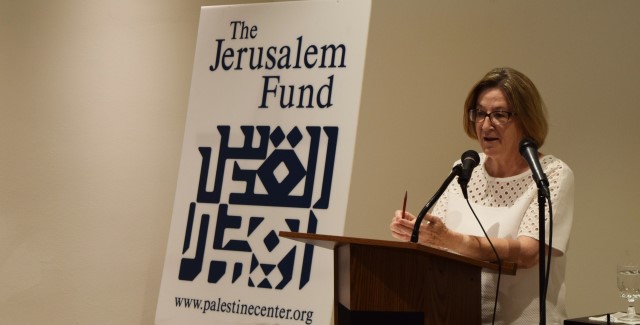
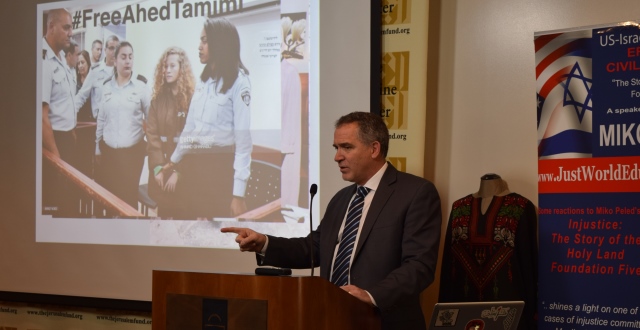
“Injustice: The Story of the Holy Land Foundation Five”

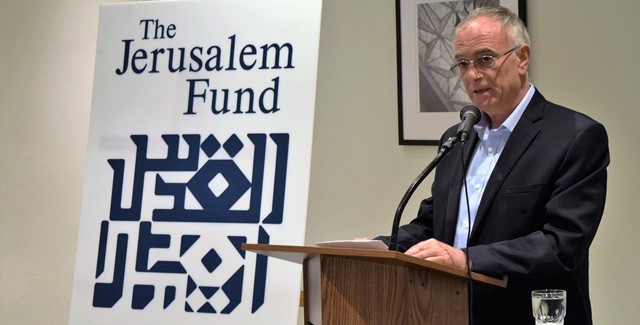
Miko Peled, author of The General’s Son, presented his latest book about the Holy Land Foundation Five in which he discussed the miscarriages of justice involved with the case and the devastating effects the case had on the lives of the men convicted and their families.

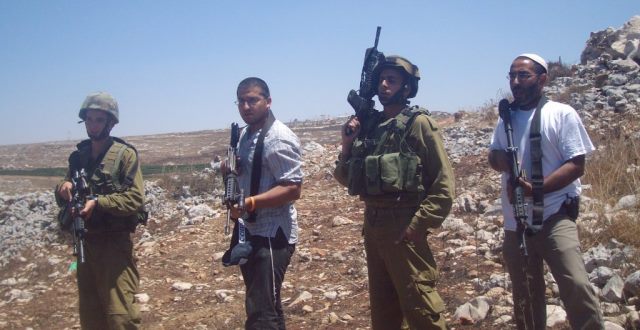
Burning the Olive Branch: Settler Violence in the Occupied Palestinian Territories

By Palestine Center Interns — Sarah Dickshinski, Abby Massell, Zoë Reinstein, and Mirvat Salameh

In an attempt to hold Israel accountable and inform the rest of the world, the Negotiations Affairs Department of the Palestine Liberation Organization maintains a “Daily Report” database that offers basic information about Israeli-Palestinian interactions that occur during a 24-hour period in the occupied Palestinian territories. Where the PLO report covers a range of incidents that take place in the oPt, the Palestine Center analyzes the reports specifically for acts of violence committed by Israeli settlers against Palestinians, forming the Settler Violence Project. We extract the time, location, and a brief description of the violent act from the database and then classify the violence into one of four categories: Assault, Assault on a Place of Worship, Raid, and Destruction of Property.

2016 Summer Intern Panel: “Overcoming Restrictions: Resistance through Publication & Expression”

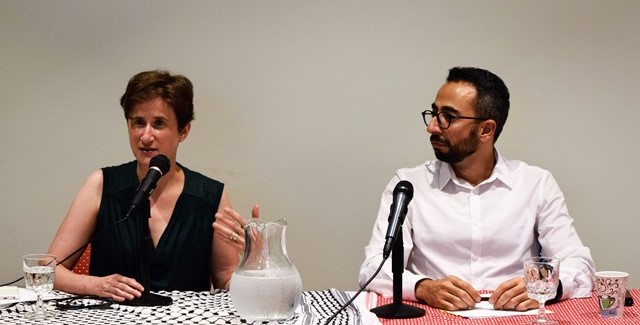
In the concluding panel of the 2016 Summer Intern Lecture Series, Dr. William Youmans and Ms. Laila El-Haddad examine the less concrete but equally powerful restraints on the mobility of ideas in the Palestinian context. These include Israel’s suppression of political and literary expression, manipulation of the news, media blackouts, and outright censorship. As writers and social media experts, these panelists offer their experiences in the use of written and electronic media as powerful tools in the spread of ideas and resistance to Israel’s polities.

‘Gaza In Context’: Introducing Israel’s Settler-Colonial Ambitions to the American Classroom

By Palestine Center Interns — Sarah Dickshinski, Abby Massell, Zoë Reinstein, and Mirvat Salameh

Gaza in Context challenges squarely the U.S. and Israeli dominant narrative. By including Palestinian narratives, it counters the perception of Israeli victimization in the American educational system; therefore, the project is a crucial academic project that contextualizes Israel’s involvement in Gaza and situates Israel’s continuous aggression and siege within its broader settler-colonial ambitions. The project as a whole attempts to shift the discussion of the Israeli-Palestinian conflict in American classrooms away from Israeli hasbara and to nuance discourse on Palestine as an entity under Israeli military occupation.

2016 Summer Intern Panel: “Restrictions on Mobility: Structural Mechanisms & Physical Barriers”

This panel with Dr. Shira Robinson and Mr. Minem Maroof examines the policies behind the restrictions on Palestinian movement, both physical and legal, and how these mechanisms limit Palestinian freedom of movement and allow Israel to maintain a matrix of control over the Palestinian population.

Cultural and Educational Development: A Pathway to Resilience and Hope

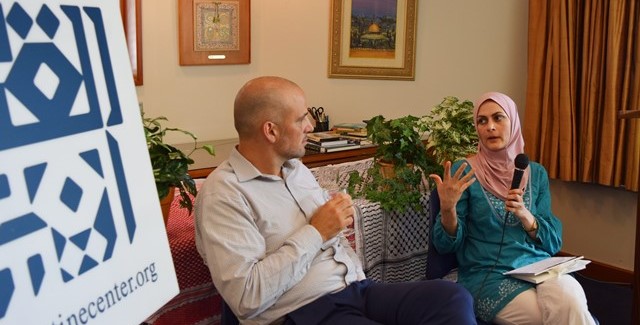
Ziad Khalaf, Director General of the A.M. Qattan Foundation, sheds light on the Foundation’s experience in Palestine and elsewhere, as it has become one of the major organizations developing programs for culture and the arts, education, and childhood in Palestine. Among other things, Khalaf discuses the Foundation’s fourth core program, the Public Program, and the Science Studio project, a multi-year pilot project which will form the nucleus for launching an interactive science center in Palestine that aims at developing science education at the national level.

2016 Summer Intern Lecture: “Conceptions of Mobility”

Dr. Julie Peteet explores mobility as an intended consequence of military occupation in a keynote lecture that opens the 2016 Summer Intern Lecture Series, “Mobility: Israel’s Structural Restrictions and Palestine’s Resistance” on July 11, 2016. She argues that Israeli policies of closure and separation through physical structures and bureaucratic requirements constrain Palestinians’ mobility. Dr. Peteet’s presentation draws from her research, fieldwork in the West Bank, and expertise in space and mobility, Palestinian culture, and resistance. 

The Rise of the Israeli Right and the Censorship of History

By Palestine Center Interns — Mirvat Salameh and Abby Massell

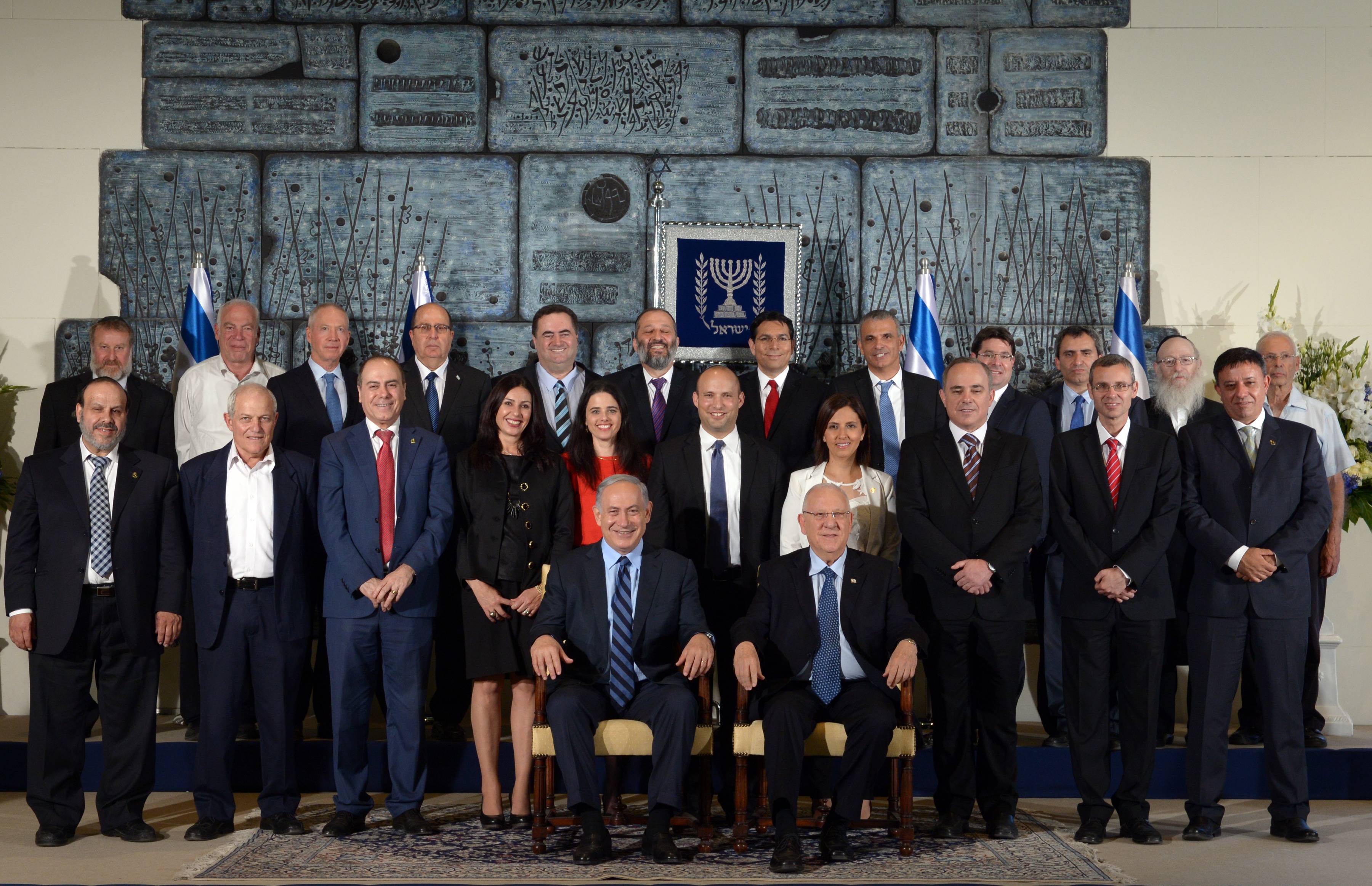
Benjamin Netanyahu has established the most conservative government in Israeli history that is responsible for launching multiple and brutal military assaults on Gaza, expanding illegal settlements, and pushing the declaration of Jerusalem as the capital of Israel. As leader and long-term member of Israel’s Likud party, Netanyahu has positioned the party away from its formerly secular and centrist position and toward hard-line right-wing policies. Aside from the surge in settler-violence in the last year, a recent decision to restrict access to Israel’s National Archives has created controversy among Israeli historians and human rights activists.