2017 Summer Intern Lecture Series: “Fighting for Truth” with Omar Baddar

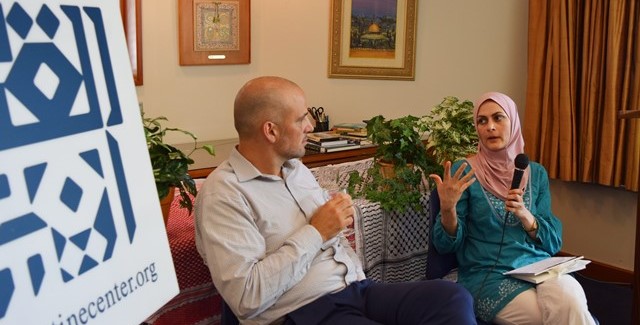
Omar Baddar delivers the Keynote Lecture in the series and provides a rough overview of the issue of media representation. He details his work in combating the misrepresentation of the Palestinians in the media and why this struggle is so important now.

Assessing the Impact of the 1967 War on the Palestinians 50 Years Later

Professor Shibley Telhami articulates the path that the 1967 war set for the Palestinians and why it has been enormously challenging for them to overcome even after 50 years of occupation. The lecture ties the current state of affairs to the diplomatic efforts on the Israeli-Palestinian conflict proposed by the Trump administration.

2016 Palestine Center Annual Conference: Keynote Address by Ambassador Riyad H. Mansour

Ambassador Riyad H. Mansour, Permanent Observer of the State of Palestine to the United Nations, delivers the Keynote Address of the Palestine Center Annual Conference.  He discusses the work that lies ahead despite the outcome of the U.S. elections.

Against Israel’s Colonial Tide: Palestinian Initiatives to Shape Their Future

This panel examines the intersection of Israeli policies of occupation and containment which prevent Palestinian self-determination, with a focus on the experience for Palestinians of living under occupation in Jerusalem and Gaza and the ways Palestinians and their supporters are organizing politically, economically and culturally to protect their human rights and work towards a different future.


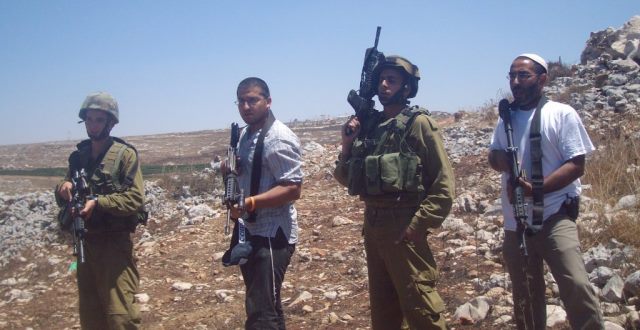
Burning the Olive Branch: Settler Violence in the Occupied Palestinian Territories

By Palestine Center Interns — Sarah Dickshinski, Abby Massell, Zoë Reinstein, and Mirvat Salameh

In an attempt to hold Israel accountable and inform the rest of the world, the Negotiations Affairs Department of the Palestine Liberation Organization maintains a “Daily Report” database that offers basic information about Israeli-Palestinian interactions that occur during a 24-hour period in the occupied Palestinian territories. Where the PLO report covers a range of incidents that take place in the oPt, the Palestine Center analyzes the reports specifically for acts of violence committed by Israeli settlers against Palestinians, forming the Settler Violence Project. We extract the time, location, and a brief description of the violent act from the database and then classify the violence into one of four categories: Assault, Assault on a Place of Worship, Raid, and Destruction of Property.

2016 Summer Intern Panel: “Overcoming Restrictions: Resistance through Publication & Expression”

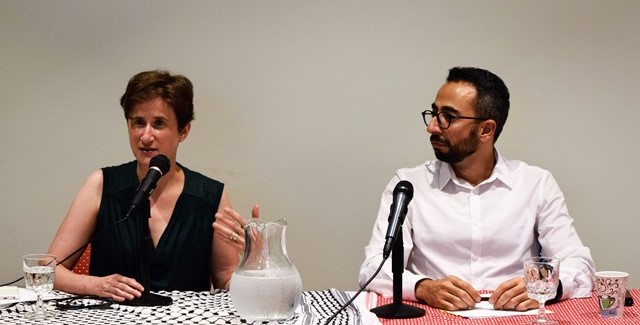
In the concluding panel of the 2016 Summer Intern Lecture Series, Dr. William Youmans and Ms. Laila El-Haddad examine the less concrete but equally powerful restraints on the mobility of ideas in the Palestinian context. These include Israel’s suppression of political and literary expression, manipulation of the news, media blackouts, and outright censorship. As writers and social media experts, these panelists offer their experiences in the use of written and electronic media as powerful tools in the spread of ideas and resistance to Israel’s polities.

‘Gaza In Context’: Introducing Israel’s Settler-Colonial Ambitions to the American Classroom

By Palestine Center Interns — Sarah Dickshinski, Abby Massell, Zoë Reinstein, and Mirvat Salameh

Gaza in Context challenges squarely the U.S. and Israeli dominant narrative. By including Palestinian narratives, it counters the perception of Israeli victimization in the American educational system; therefore, the project is a crucial academic project that contextualizes Israel’s involvement in Gaza and situates Israel’s continuous aggression and siege within its broader settler-colonial ambitions. The project as a whole attempts to shift the discussion of the Israeli-Palestinian conflict in American classrooms away from Israeli hasbara and to nuance discourse on Palestine as an entity under Israeli military occupation.

2016 Summer Intern Panel: “Restrictions on Mobility: Structural Mechanisms & Physical Barriers”

This panel with Dr. Shira Robinson and Mr. Minem Maroof examines the policies behind the restrictions on Palestinian movement, both physical and legal, and how these mechanisms limit Palestinian freedom of movement and allow Israel to maintain a matrix of control over the Palestinian population.

Cultural and Educational Development: A Pathway to Resilience and Hope

Ziad Khalaf, Director General of the A.M. Qattan Foundation, sheds light on the Foundation’s experience in Palestine and elsewhere, as it has become one of the major organizations developing programs for culture and the arts, education, and childhood in Palestine. Among other things, Khalaf discuses the Foundation’s fourth core program, the Public Program, and the Science Studio project, a multi-year pilot project which will form the nucleus for launching an interactive science center in Palestine that aims at developing science education at the national level.